2026. 06. 05.
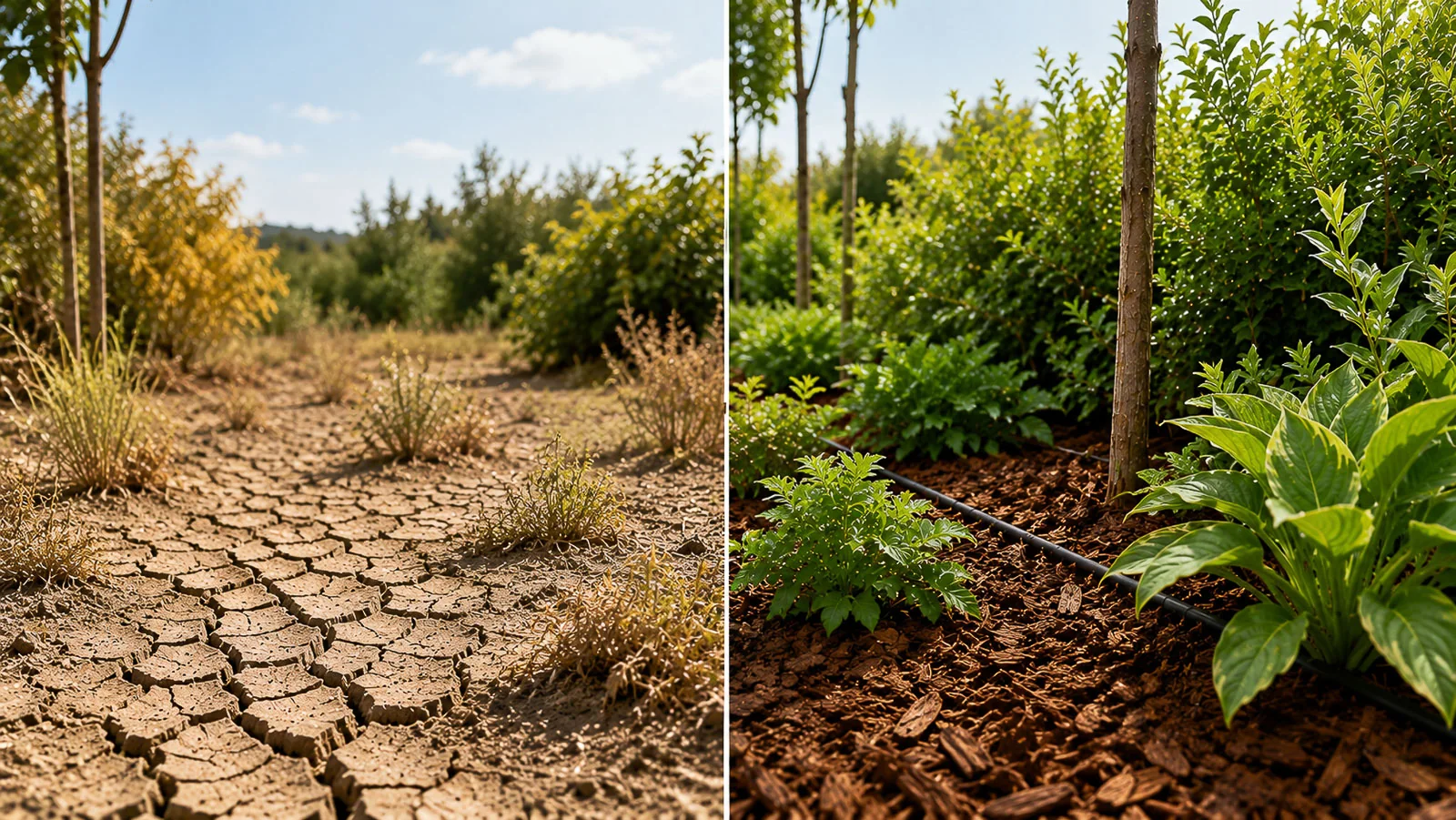
Pine bark mulch during drought: practical soil protection
A properly applied bark layer can shade the soil, slow evaporation and keep planting beds tidy during hot, dry periods.
Read article →



Guides about mulch, soil protection and gardening.
A properly applied bark layer can shade the soil, slow evaporation and keep planting beds tidy during hot, dry periods.
Read article →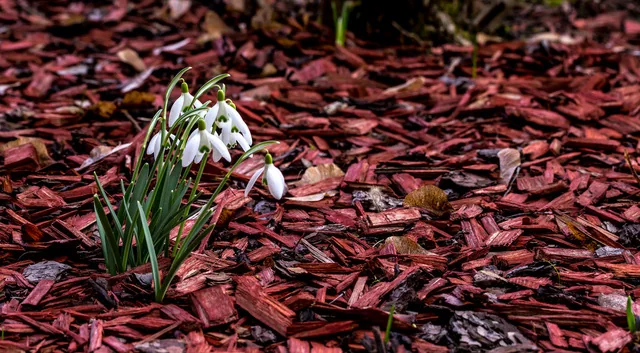
Spring mulching creates tidy beds and prepares the soil before the main period of heat and weed growth.
Read article →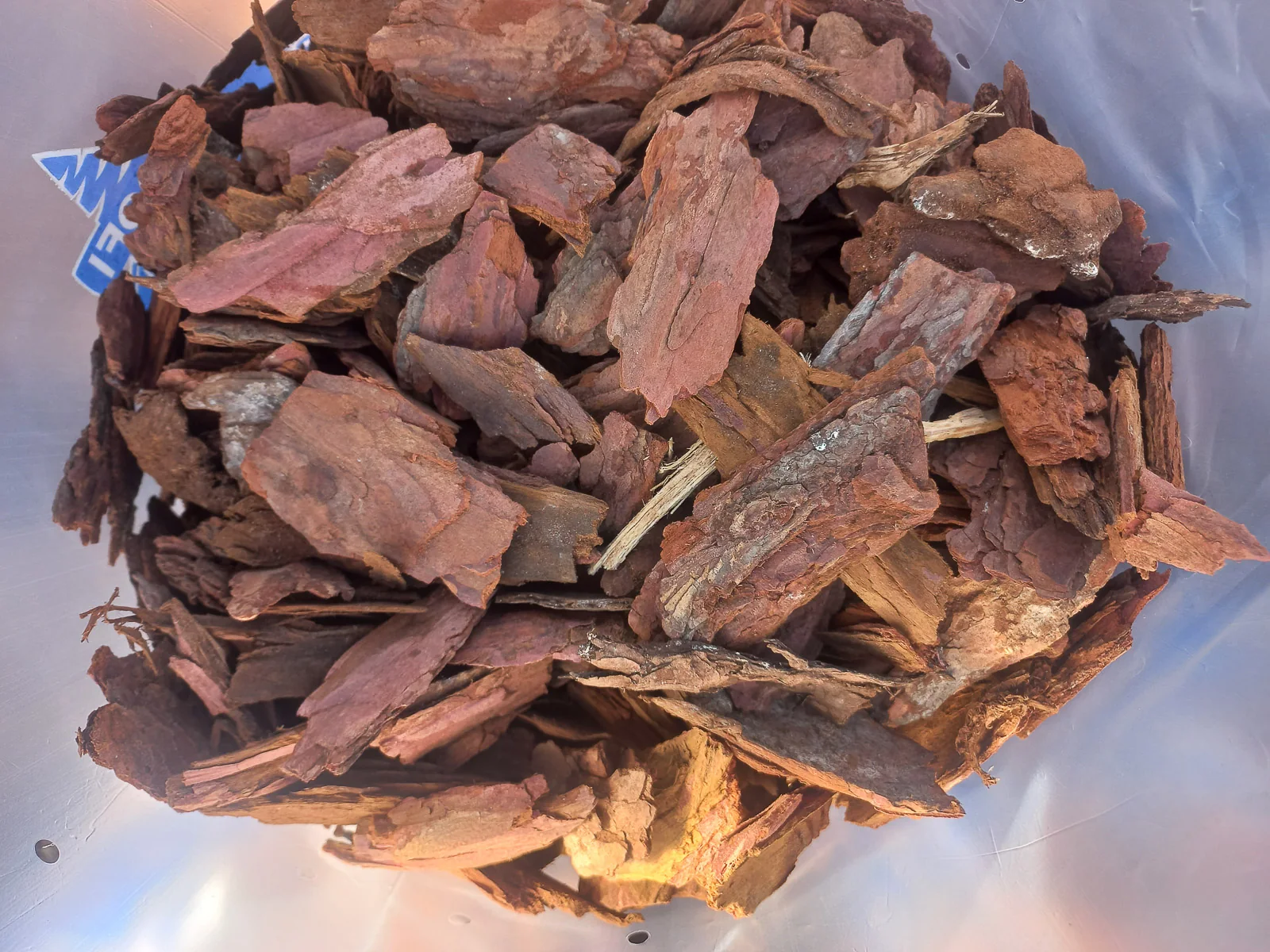
An autumn bark layer can protect the soil surface, moderate temperature changes and keep beds tidy through winter.
Read article →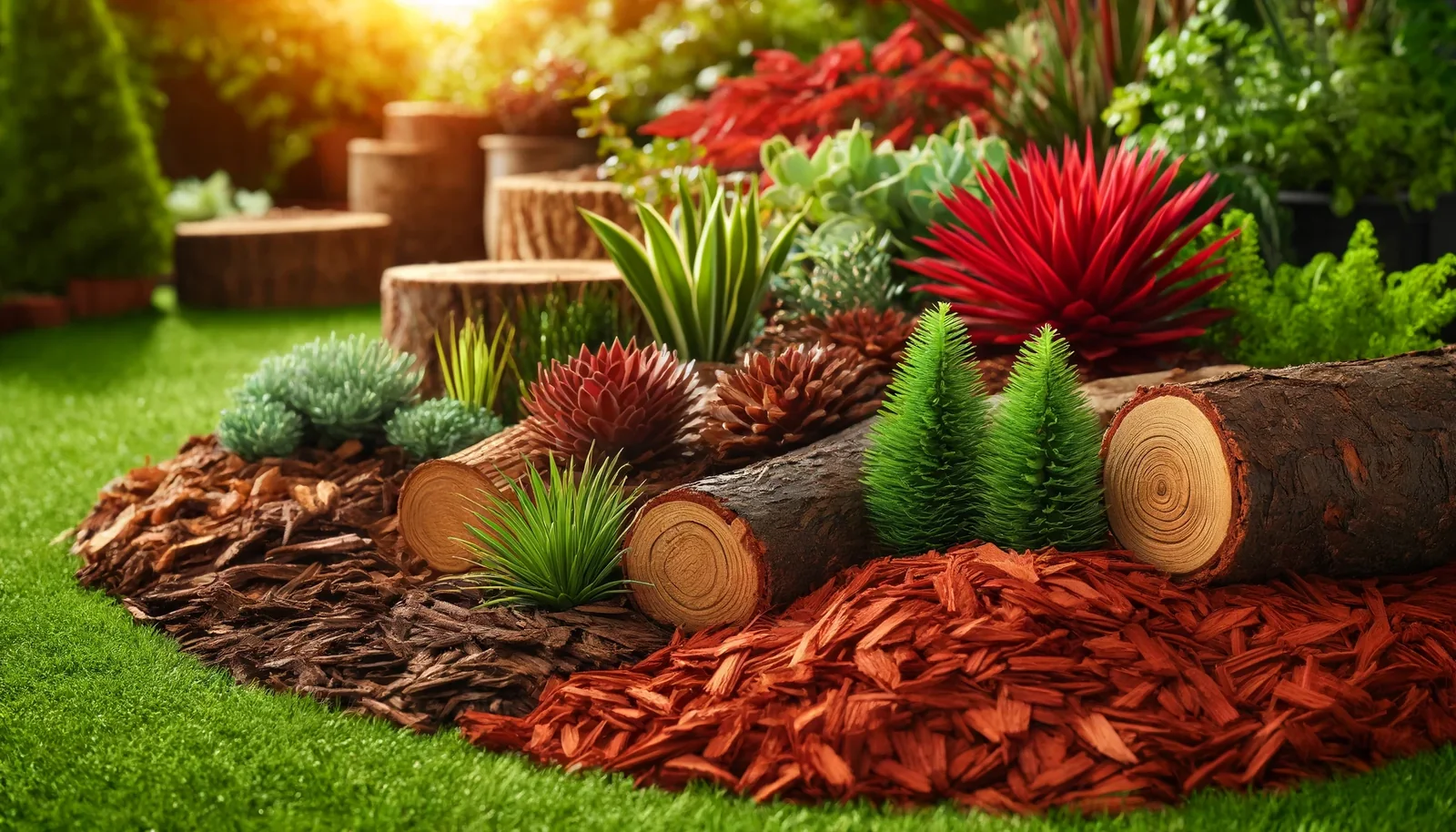
Colour, fraction and intended use determine which bark is best for ornamental beds, parks and larger landscapes.
Read article →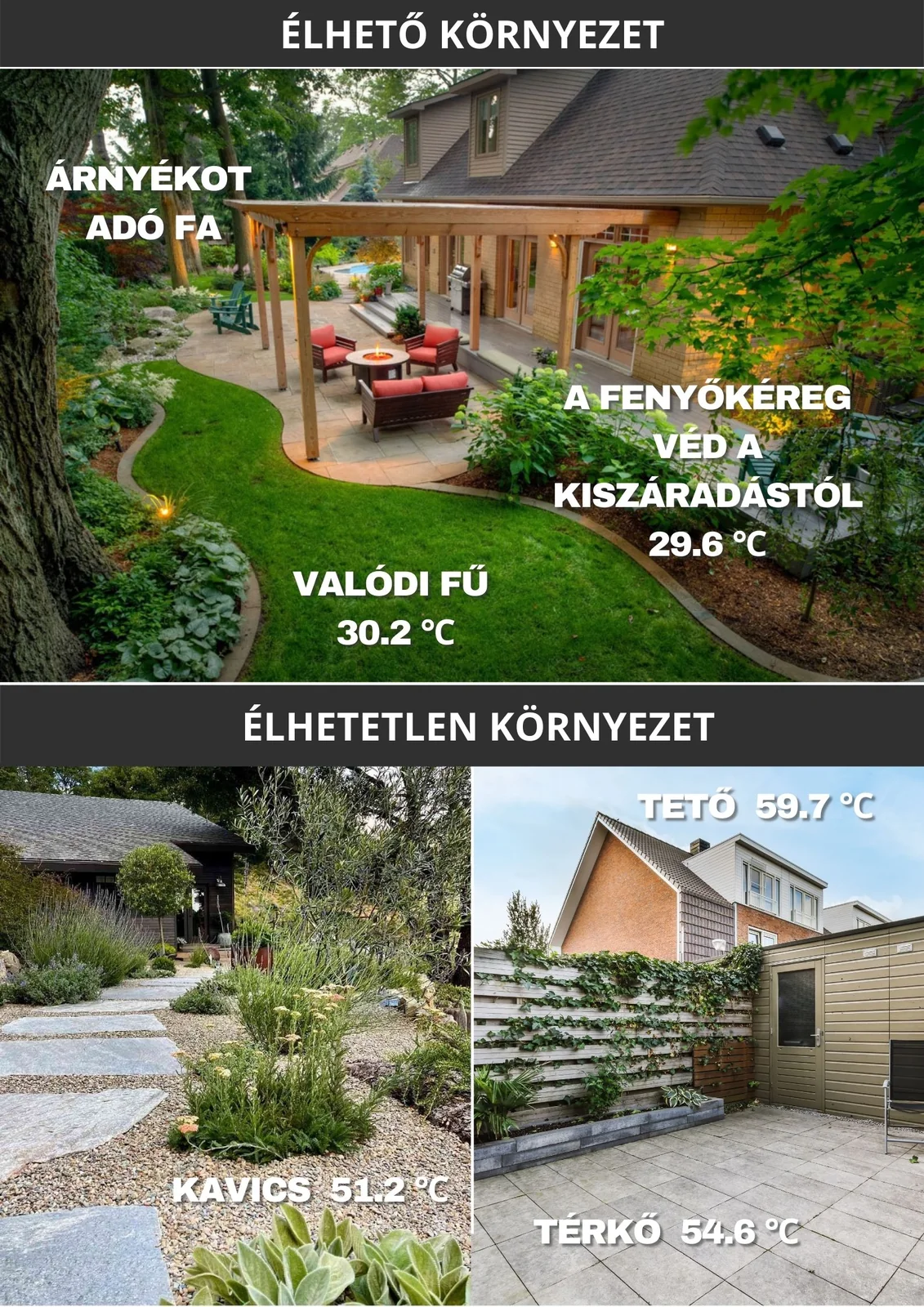
Natural bark mulch can protect soil, suppress many emerging weeds and create a consistent garden appearance.
Read article →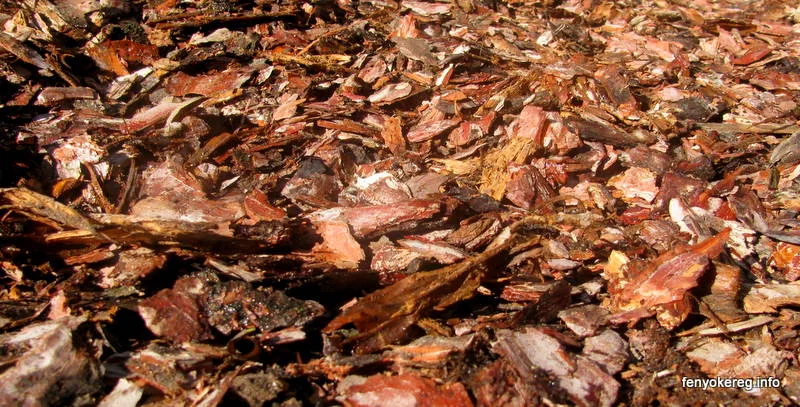
Mulching does not replace irrigation, but it can help keep applied water in the root zone for longer.
Read article →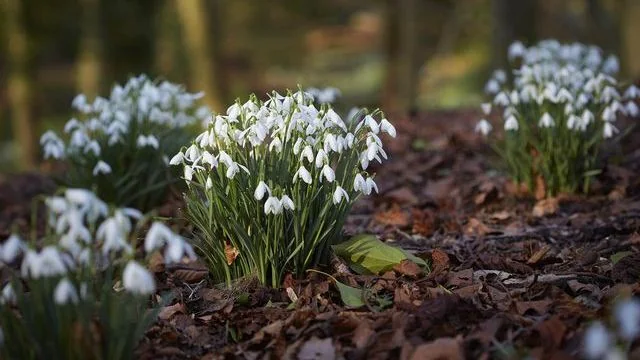
Measure the beds, choose the target depth and decide between bags and bulk delivery before spring work begins.
Read article →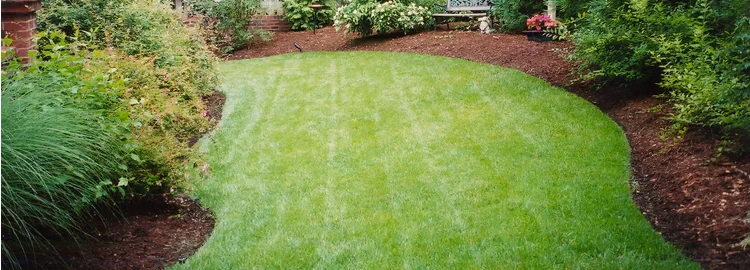
A durable garden combines functions, plants, paths, irrigation and ground cover from the start.
Read article →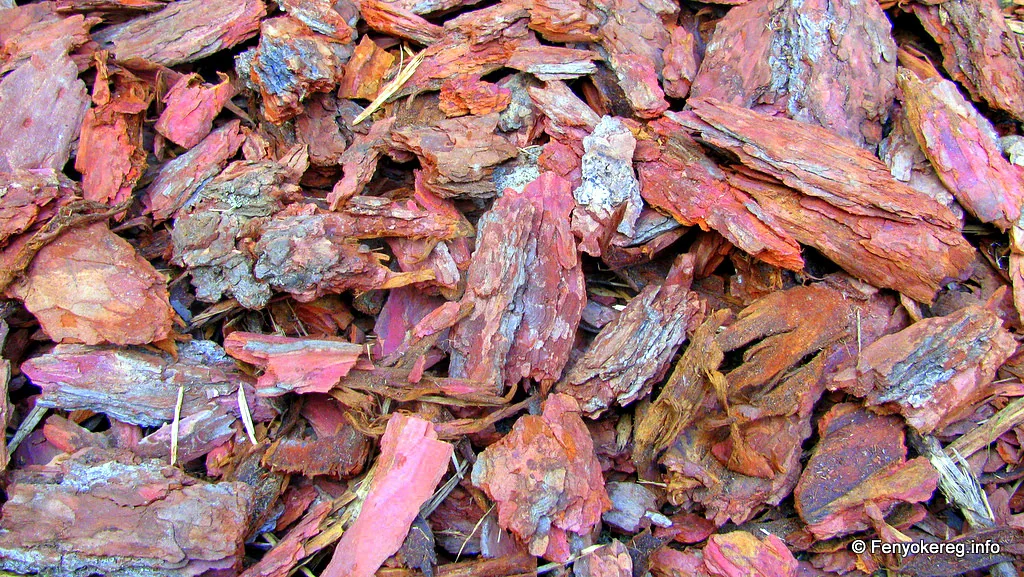
Pine bark is a natural by-product of timber processing. Mixed particle sizes combine a closing base with a decorative surface.
Read article →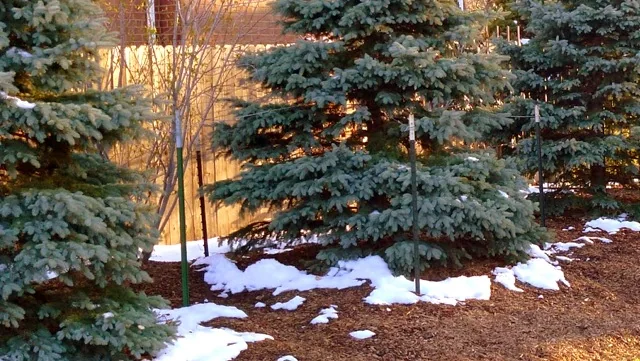
Moisture, weed reduction, temperature moderation and appearance are four reasons to use bark mulch correctly.
Read article →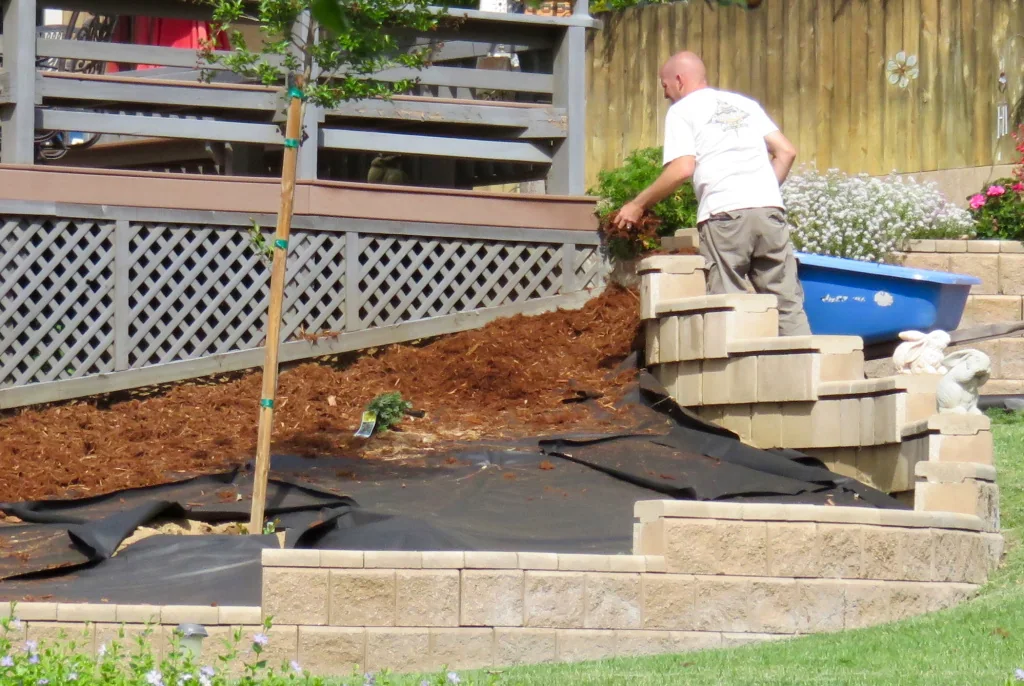
Permeable landscape fabric separates soil and mulch, but it is not necessary in every planting bed.
Read article →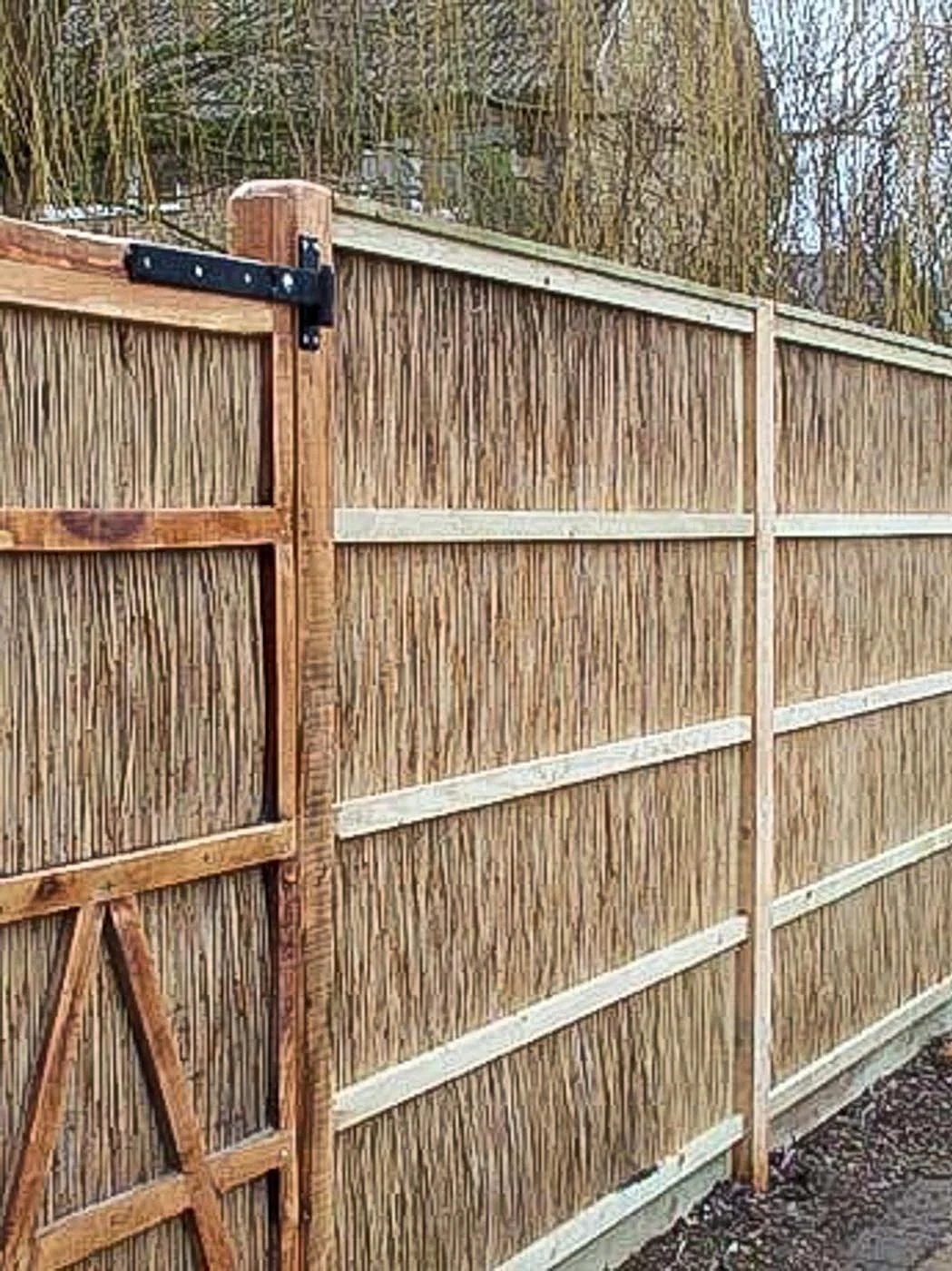
Reed rolls provide a natural finish for fences, pergolas and garden dividers.
Read article →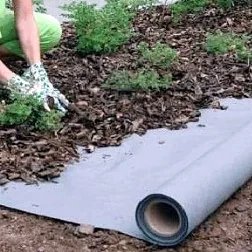
Perforated ground cover can separate soil and mulch in shrub islands, hedges and garden paths.
Read article →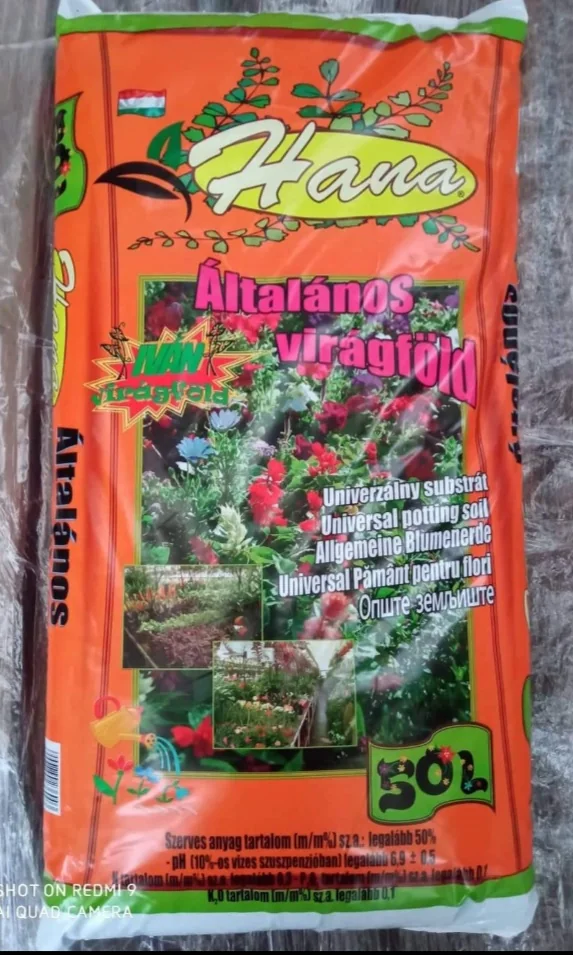
The right growing medium and correctly dosed organic manure can support establishment but do not replace watering and care.
Read article →